
The Republic of Moldova’s National Revaluation
Moldova is undertaking one of the region’s most significant property valuation reforms. Learn about the country’s national revaluation, the work behind it, and the research documenting Moldova’s evolving approach to mass valuation and property taxation.

Background
The Republic of Moldova has undertaken a nationwide modernization of its property valuation system with support from the World Bank's Land Registration and Property Valuation Project. The effort has included the development of automated valuation models (AVMs), expanded use of geographic information systems (GIS), improvements in data and valuation processes, and significant investment in local technical capacity.
The national valuation and revaluation process has now covered approximately six million properties across Moldova. Eight valuation models were developed as part of the program, and the resulting values entered public consultation and validation in 2026. The new cadastral values are scheduled to officially take effect on January 1, 2027.
Several aspects of Moldova's approach provide useful lessons for property tax authorities in transitioning and developed countries alike.
1. Use of Regression-Based Automated Valuation Models
First proposed more than a century ago, regression-based automated valuation models have become a leading methodology for mass valuation and property taxation. Research by the Lincoln Institute of Land Policy and the International Association of Assessing Officers, based on a survey of more than 800 government assessment professionals, found that regression-based approaches were widely reported to offer improvements in accuracy, uniformity, equity, cost, and efficiency compared with non-regression-based approaches. Baseline regression models for residential properties in Moldova were initially developed independently by Paul Bidanset to establish a modeling framework for the revaluation. Moldovan valuation professionals subsequently calibrated and adjusted the models using their knowledge of local property markets before applying them to the valuation roll. This combination of statistical modeling and local expertise has been an important component of the revaluation process. Modern valuation methods can provide a consistent analytical framework, while local professionals provide knowledge of markets, data, and institutional conditions that may not be fully captured by a statistical model.

2. Use of Geographic Information Systems (GIS)
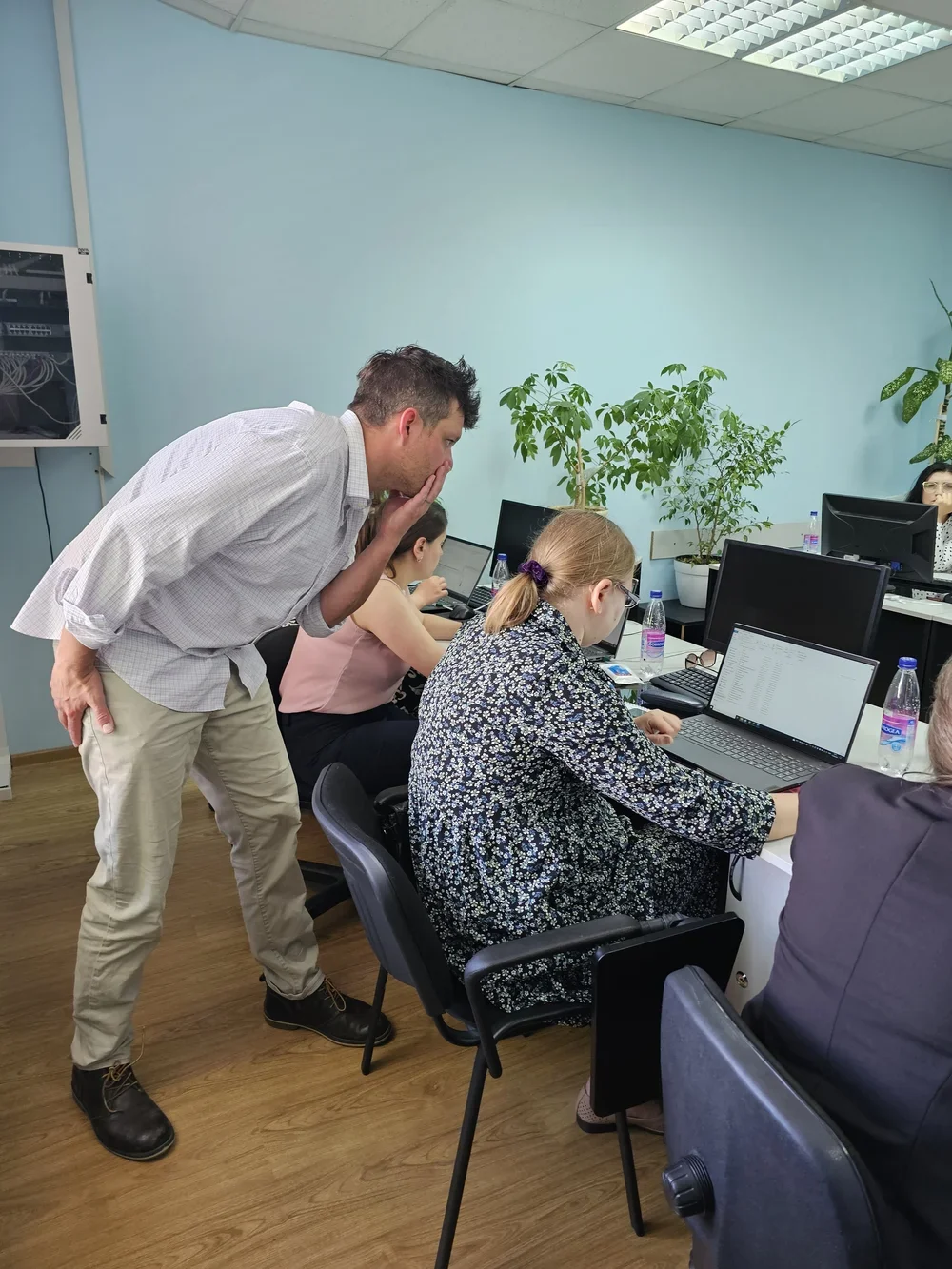
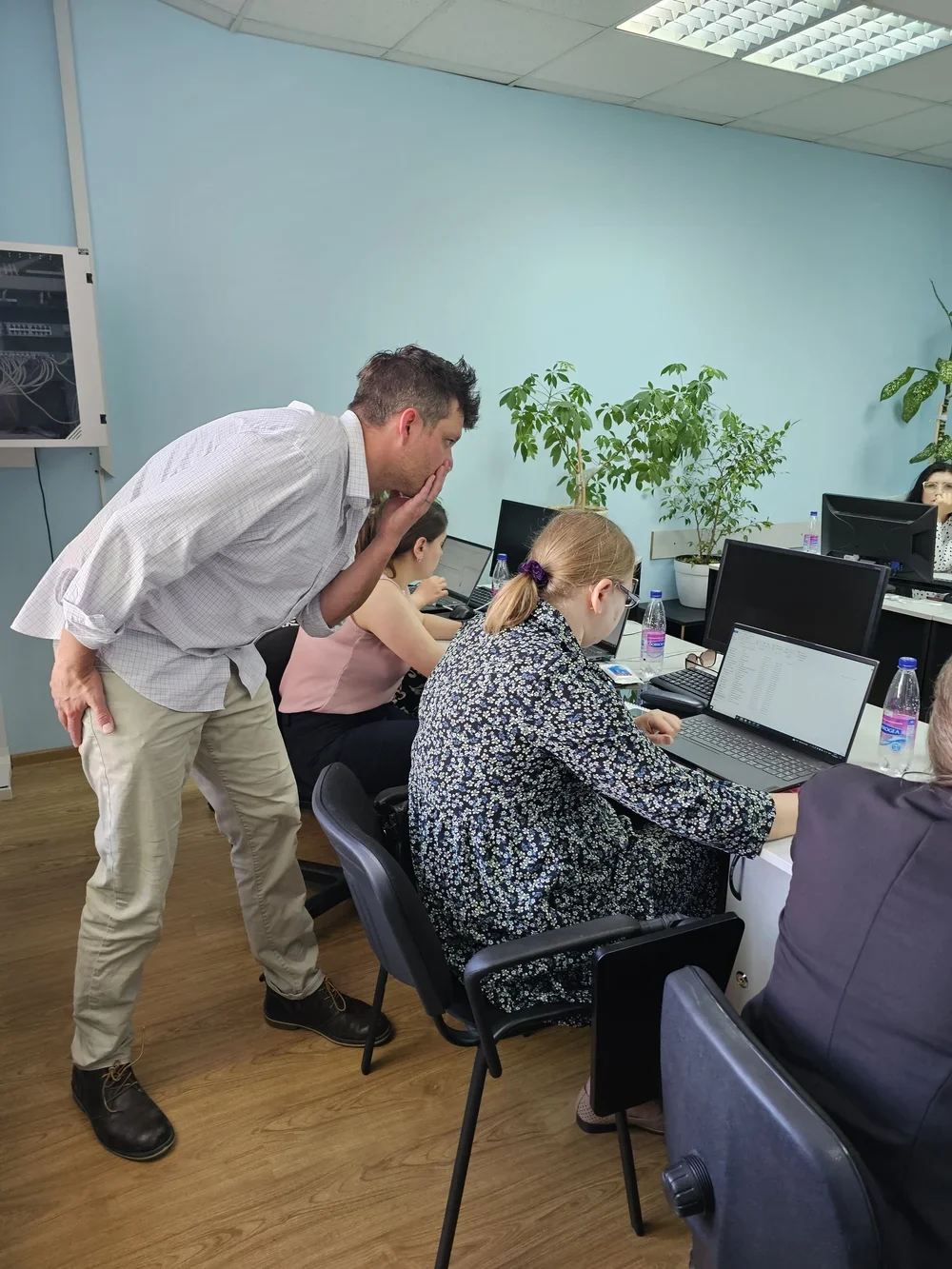
GIS allows all stages of the valuation process, including data collection, valuation, and quality control, to benefit from increases in efficiency and accuracy.
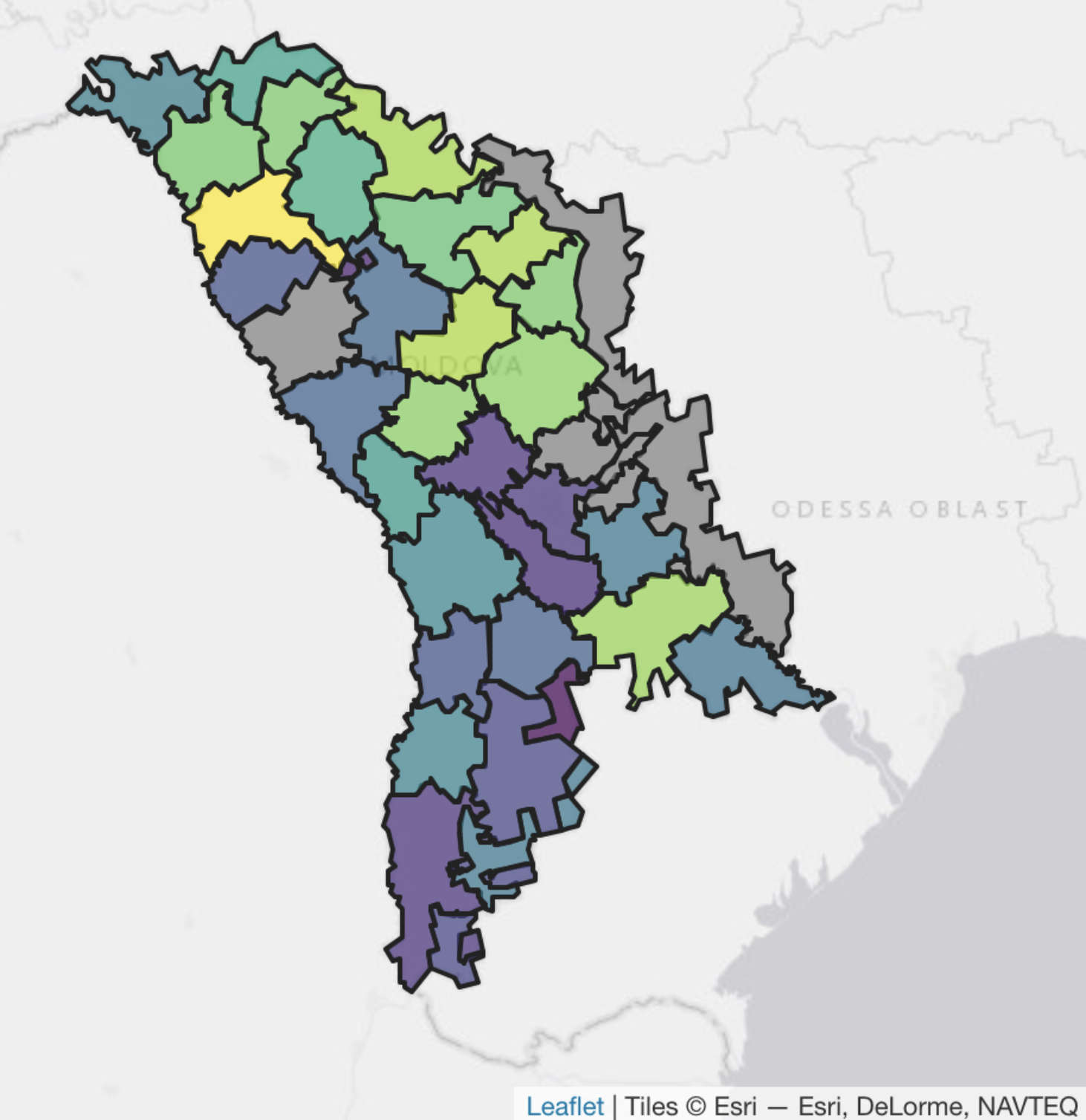
The cadaster has used digital mapping to better understand local real estate markets, delineate local submarkets, and test and calibrate AVMs to improve valuation accuracy and property tax equity.
The integration of GIS into the valuation process is particularly important because location is fundamental to real estate markets. Mapping and spatial analysis provide valuers with another way to understand both the market and the performance of their valuation models.
3. A Transparent, Informative, and Persistent Public Information Campaign
The cadaster has continued to update and inform the public about the revaluation process through social and other media.
These touch points provide important opportunities to remind taxpayers of the government's intentions, progress, and commitment to the revaluation process.
This commitment to transparency has continued through implementation. In 2026, property owners were provided access to preliminary values through the government's online platform and given an opportunity to review property information and submit challenges before the new values take effect.
Public communication is particularly important during a national revaluation. Even technically strong valuation systems can face difficulties when taxpayers do not understand why values are changing, how properties are being valued, or how they can review the information used in the process.
4. Inclusion of Stakeholders and Local Experts in Model Creation and Explanation
The cadaster has worked to ensure that stakeholders are represented in the process in order to improve model performance and increase public understanding and acceptance of valuation models.
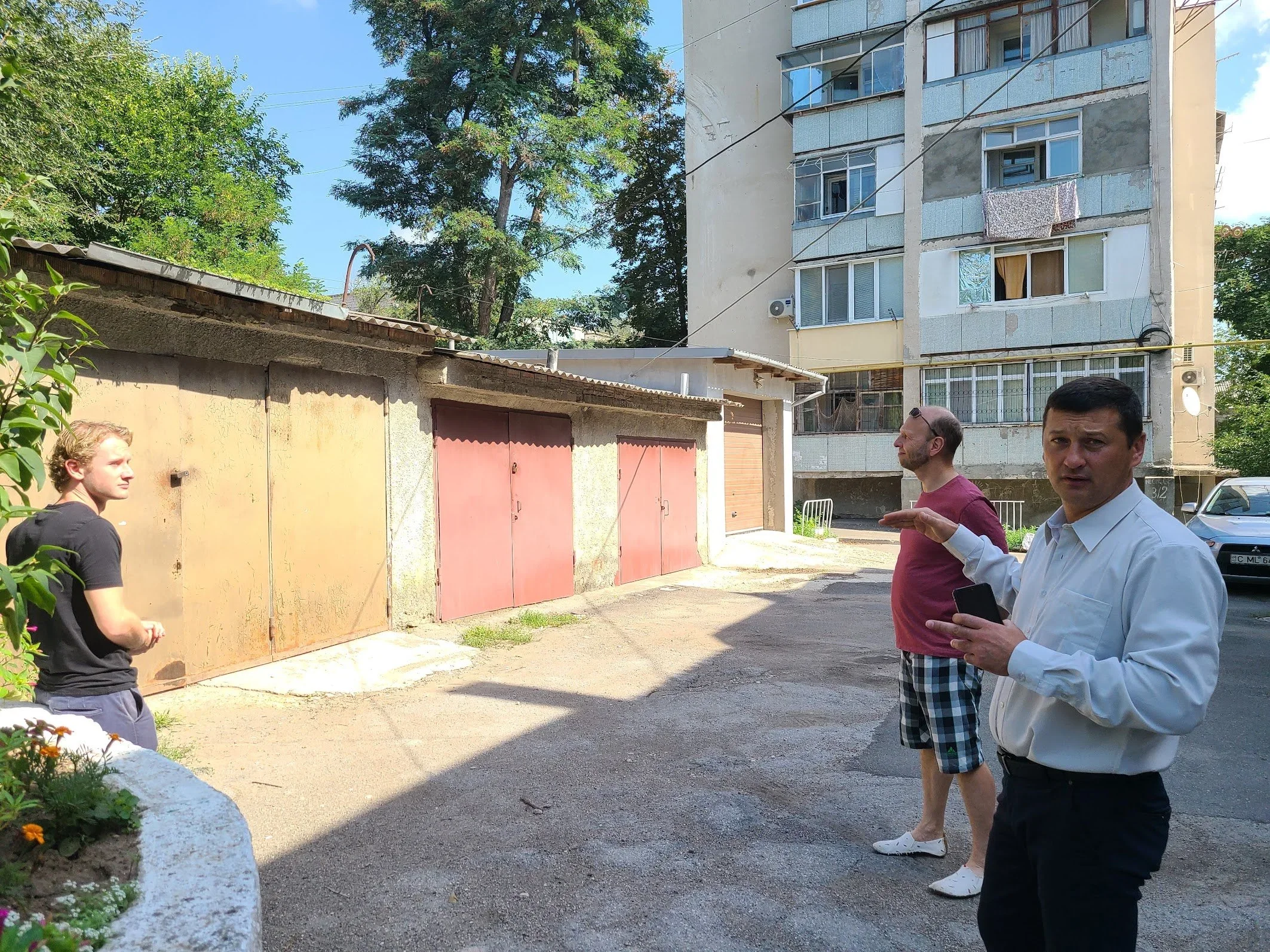
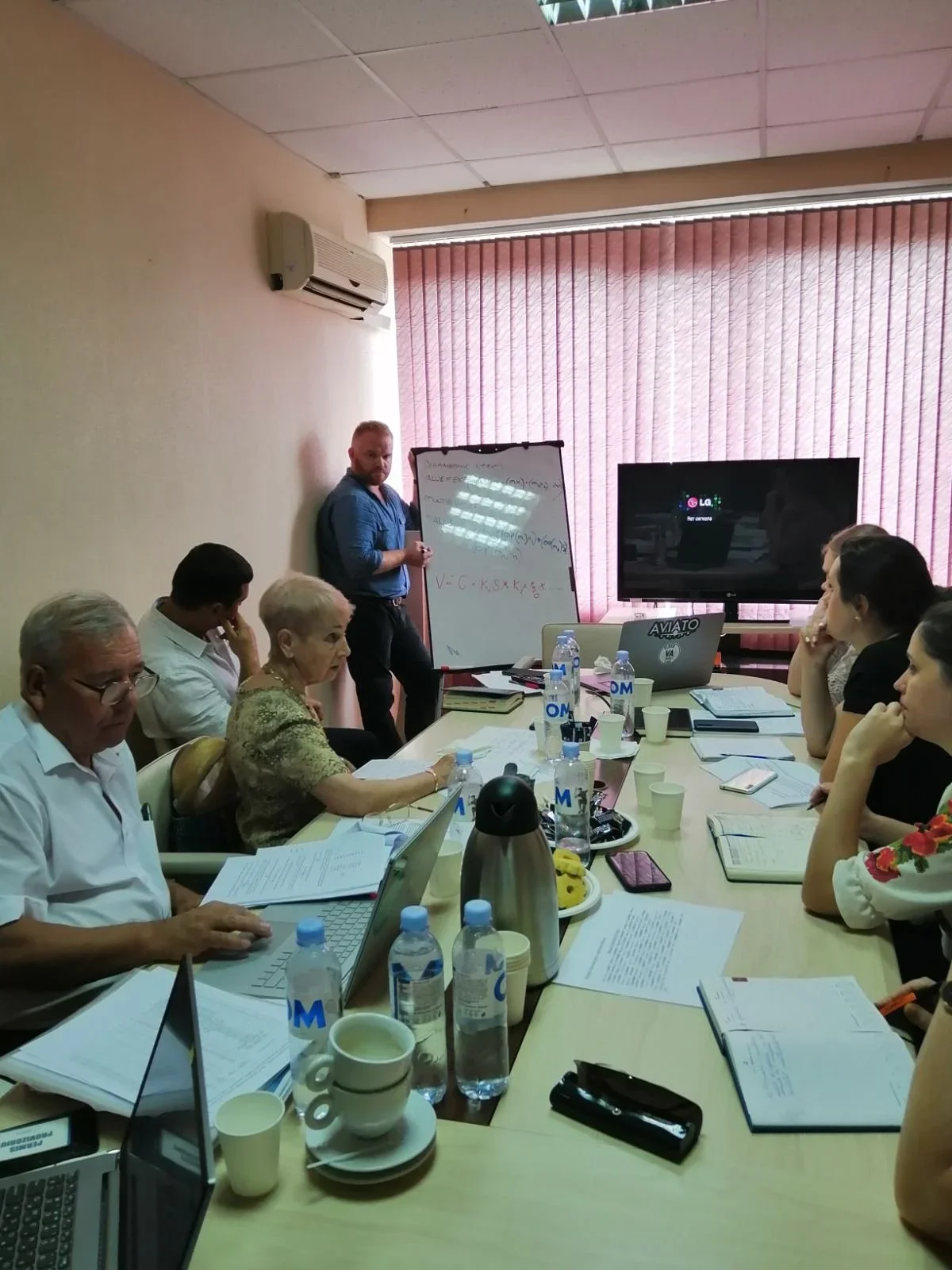
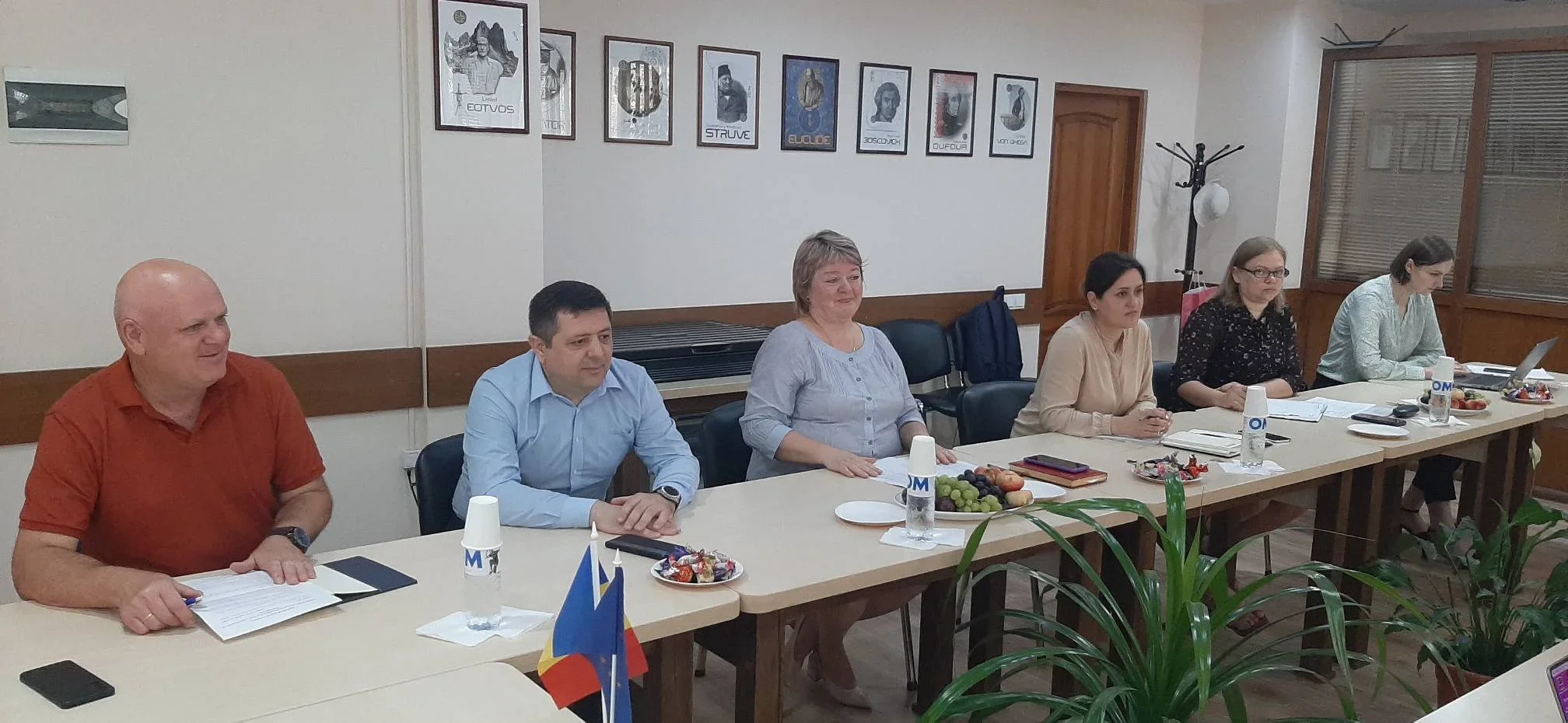
Private and public-sector real estate valuation professionals, local mayors, and other officials have been invited to review the work and offer comments and suggestions to help make models more flexible, accurate, and appropriate for Moldovan real estate markets.
This approach can not only improve model performance, but also foster a sense of community, ownership, and pride among the parties involved.
The calibration of the residential models provides a practical example. The initial statistical framework provided a starting point, while Moldovan professionals were able to incorporate local knowledge and make additional adjustments before the models were applied to the valuation roll.
5. Incorporation of Global Best Practices and International Standards
The cadaster has incorporated technical standards from the International Association of Assessing Officers to help ensure that valuation policies and procedures reflect established practices and research from around the world.
Such precedents and guidelines can help identify appropriate methodologies while also promoting defensibility and fostering trust among both the public and government staff.
International standards are particularly useful when they are combined with local expertise and adapted to the institutional and market conditions of the country in which they are being applied.
6. Inclusion of International Consultants and Investment in Local Capacity
The cadaster has worked closely with experienced consultants from diverse property tax backgrounds to support specific areas of statistical modeling, technology, data quality, and tax policy.
These consultants can bring policies, procedures, experiences, and lessons learned from other governments, helping local institutions avoid known pitfalls and identify approaches that may be useful in their own revaluation efforts.
An important objective, however, is for this technical capacity ultimately to reside within the institution itself.
Following the initial development and implementation of the residential models, CART provided two weeks of intensive, on-site data science training for cadastral staff in Moldova. The training was hands-on and conducted in R, with staff working directly with regression modeling, geospatial modeling and analysis, and their application to automated valuation models.
The purpose was not simply to demonstrate how an existing model worked. Staff worked through the methods and tools needed to understand, evaluate, modify, and ultimately develop these approaches themselves.
This type of knowledge transfer is particularly important for the sustainability of modernization efforts. Governments need the internal capacity to maintain models, investigate problems, respond to changing property markets, evaluate new methodologies, and continue improving their valuation systems after an individual project or international engagement has ended.
In this sense, one of the goals of external technical assistance should ultimately be to reduce the need for external technical assistance.
Looking Forward
The revaluation efforts of the Republic of Moldova provide an important example for taxing authorities in other countries considering similar modernization efforts.
Moldova's experience demonstrates that successful mass appraisal modernization involves more than statistical modeling. Technology, GIS, data quality, international standards, public communication, local expertise, quality control, and institutional capacity all contribute to a sustainable valuation system.
It also demonstrates the importance of combining outside technical expertise with local knowledge. The residential models began with an independently developed statistical framework, were calibrated and adjusted by Moldovan professionals, and were followed by investment in the technical skills needed for local staff to increasingly undertake this work themselves.
With the nationwide valuation and revaluation completed and new cadastral values scheduled to take effect in 2027, Moldova provides an opportunity to observe the transition from the development of a modern mass appraisal system to its implementation and long-term operation in practice.
Further Reading
For additional research on property taxation and mass valuation in Moldova, see the following work by CART researchers and collaborators:
Estimating Agricultural Land Values for Property Tax with Geographically Weighted Regression: A Moldova Case Study
Paul Bidanset, Alexandru Paladi, Viroel Furdui, Peadar Davis, William McCluskey, and Frank Pichel. Presented at the World Bank Land and Property Research Conference, 2026.
Additional Research by CART Research Fellow Alexandru Paladi:
Ways of Improving the Methodological Framework of Massive Evaluation of Real Estate in the Republic of Moldova (2024)
Examines the methodological and institutional framework for mass appraisal and property taxation in Moldova.
Addressing Methodological Challenges in the Mass Real Estate Valuation Process, Specifically Within the Context of the Republic of Moldova (2024)
Examines regression methodology, ratio studies, and approaches to improving mass valuation model performance.
The Role of Model Calibration in Mass Real Estate Assessment: A Case Study of the Republic of Moldova (2025)
Examines the role of local calibration in improving the accuracy and reliability of mass valuation models, drawing on Moldova's national revaluation experience.



Topics: Property Tax · Mass Appraisal · Government Modernization · Moldova